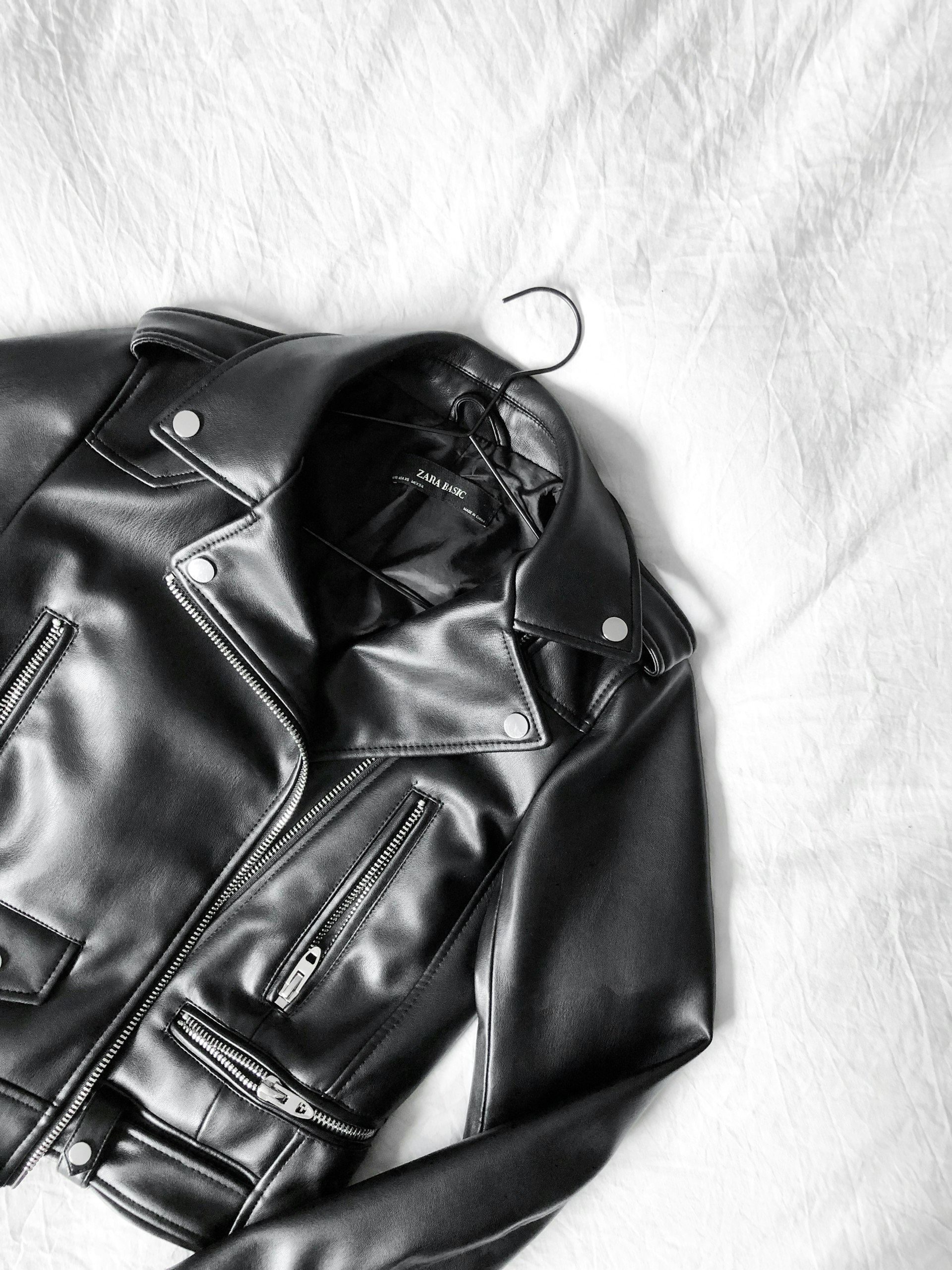
Made slowly, by hand, to last
Every Marten piece passes through the same pair of hands from the first cut to the final stitch. This is how it is done.
It begins with the hide
Leather is the soul of the house. We work only with full-grain hides — the strongest, most characterful layer — chosen for grain, temper and the way they will age. Nothing is corrected, sanded or sprayed to hide a flaw, because the marks of a life are part of the material's honesty.

A handful of tanneries, chosen over generations
We source from a small circle of vegetable-tanning houses in Tuscany and Spain that have worked the same way for four generations. Hides are tanned slowly over weeks with natural tannins rather than chrome — gentler on the earth, and the only way to achieve a patina that deepens with use. Each hide is inspected by hand; roughly one in three is rejected before it ever reaches the cutting table.
Vegetable-tanned. Full-grain. Never corrected.
From hide to heirloom
Material Selection
Each hide is graded by hand for grain consistency, temper and thickness. Only the centre of the hide — the firmest, most uniform region — is used for structural panels.
Cutting
Patterns are cut by a single craftsman who reads the natural lines of the leather, placing each panel to balance strength and beauty. There is almost no automation here; the eye decides.
Stretching & Shaping
Panels are conditioned and gently stretched over forms so the leather takes its shape without strain. This relieves tension before assembly, so the finished piece holds its line for decades and never bags.
Stitching
Seams are saddle-stitched or sewn at a controlled 8–10 stitches per inch with bonded waxed thread, so a single broken stitch can never unravel the seam.
Finishing
Edges are painted, burnished and sealed by hand in multiple passes — the mark of true leather goods. Hardware is set, and the piece is conditioned to a soft, even lustre.
Quality Inspection
A forty-point inspection checks symmetry, stitch density, edge finish, hardware action and grain. Anything short of perfect returns to the bench.
A garment is only as honest as its fibre
Our garments begin long before the cutting room — in the field, with the staple length of a single thread of cotton. We trace every cloth from farm to finish, because the hand, drape and longevity of a garment are decided at the fibre.
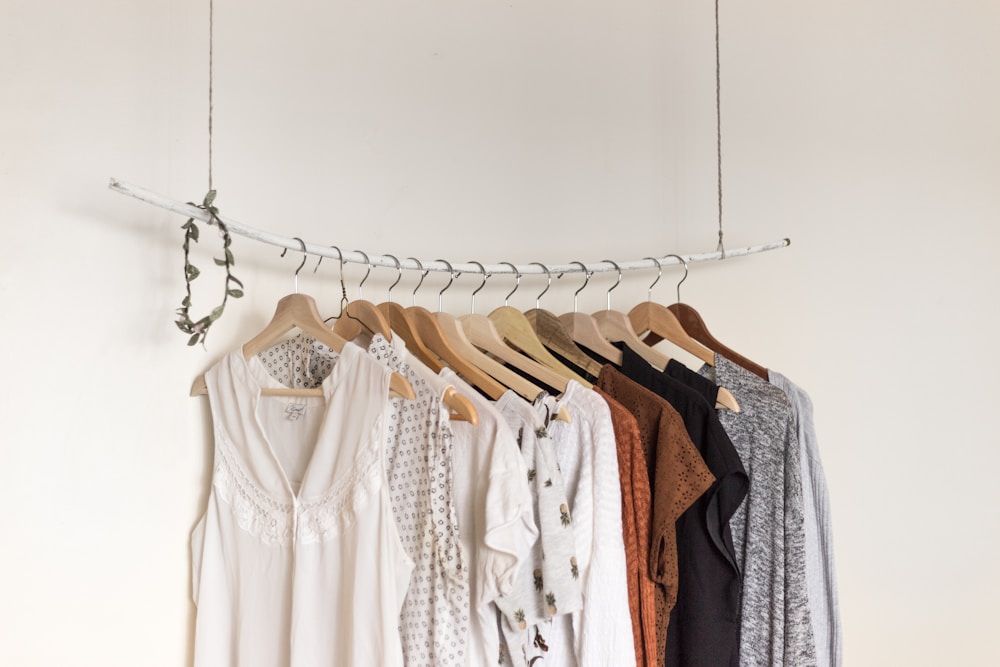
Long-staple cotton, woven for a lifetime
We select long-staple cotton for its strength and silken hand, then develop our own cloths with mills who weave to our density and finish. A measured two-way stretch is engineered into the weave — enough to move with the body, never so much that it loses its shape. Every bolt is washed and relaxed before cutting, so the garment keeps its line after the first wear and the hundredth.
Pre-shrunk. Stretch-tested. Recovers its form.
From field to finished garment
Cotton Sourcing & Farming
We work with farms practising responsible, low-impact cultivation, prioritising long-staple varieties for a finer, more durable yarn.
Fabric Development & Weaving
Cloths are woven to our specification for weight (GSM) and density, then milled and brushed to develop hand and drape.
Fabric Quality Testing
Each batch is tested for GSM, colour-fastness, shrinkage and stretch recovery before a single panel is cut.
Dyeing & Finishing
Garment- and piece-dyeing in small lots gives depth of colour and subtle variation, finished with washes that soften without weakening the cloth.
Cutting & Tailoring
Patterns are graded and cut with grain-true precision, then tailored with reinforced seams at every stress point.
Hand-Finishing
Buttonholes, hems and linings are finished by hand. The details you rarely see are the ones we spend the most time on.
Slow is not the absence of speed. It is the presence of care.
The Atelier